How to Plan a Custom Home Build
Get in touch
Let’s Talk About Your Custom Build
Tell us what you’re planning and we’ll follow up to confirm fit, timeline, and next steps. If you prefer, you can reach us directly using the info below.
Start the Conversation
Share a few quick details and our team will be in touch shortly. We’ll review your goals, location, and where you are in the process so we can give you clear guidance on next steps. Prefer to talk now? Call (216) 410-2122.
"*" indicates required fields
Where Careful Planning Meets Confident Execution
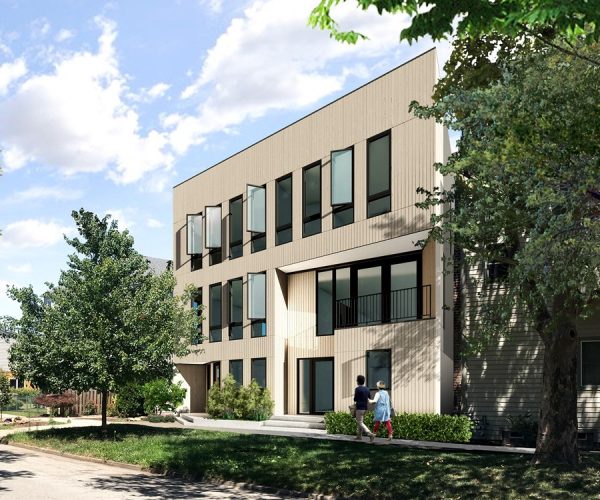
Understanding how to plan a custom home build is the single most important thing a homeowner can do before breaking ground. The decisions made in the planning phase — about budget, site, design, and builder selection — determine the quality, cost, and experience of everything that follows.
Custom home planning is not a single conversation. It is a structured process that moves from vision to feasibility to design to construction — with each phase building on the clarity established in the one before it. Homeowners who invest in a disciplined planning process build better homes, stay closer to budget, and experience significantly less stress throughout the build.
We guide homeowners through every phase of custom home planning across Cleveland and Northeast Ohio — bringing structure, clarity, and expertise to a process that can otherwise feel overwhelming.
- Structured planning process from vision through groundbreaking
- Budget, site, and design aligned before construction begins
- Experienced guidance at every decision point along the way
- Built for Cleveland's finest neighborhoods with 30+ years of local expertise
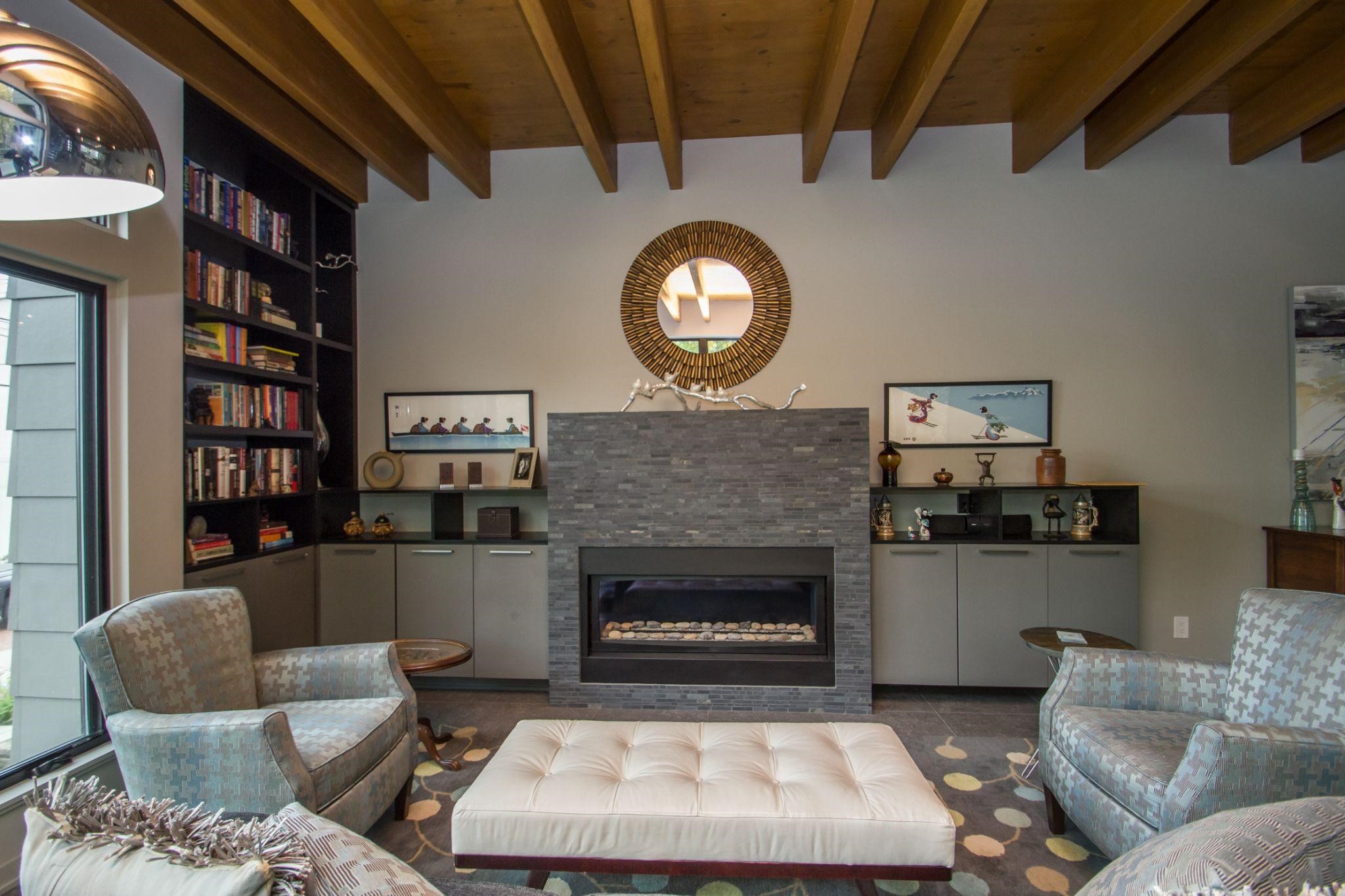
What Sets Custom Home Planning Apart in Cleveland?
Planning a custom home in Cleveland requires a working knowledge of local zoning regulations, neighborhood covenant requirements, site conditions, and the regional construction market — all of which directly impact what you can build, how long it will take, and what it will cost.
The difference between a smooth custom build and a costly, stressful one almost always traces back to the quality of planning that preceded construction. Homeowners who enter the build phase with unresolved design questions, undefined budgets, or misaligned expectations with their builder consistently encounter more delays, more change orders, and more disappointment than those who took the time to plan with discipline and intention.
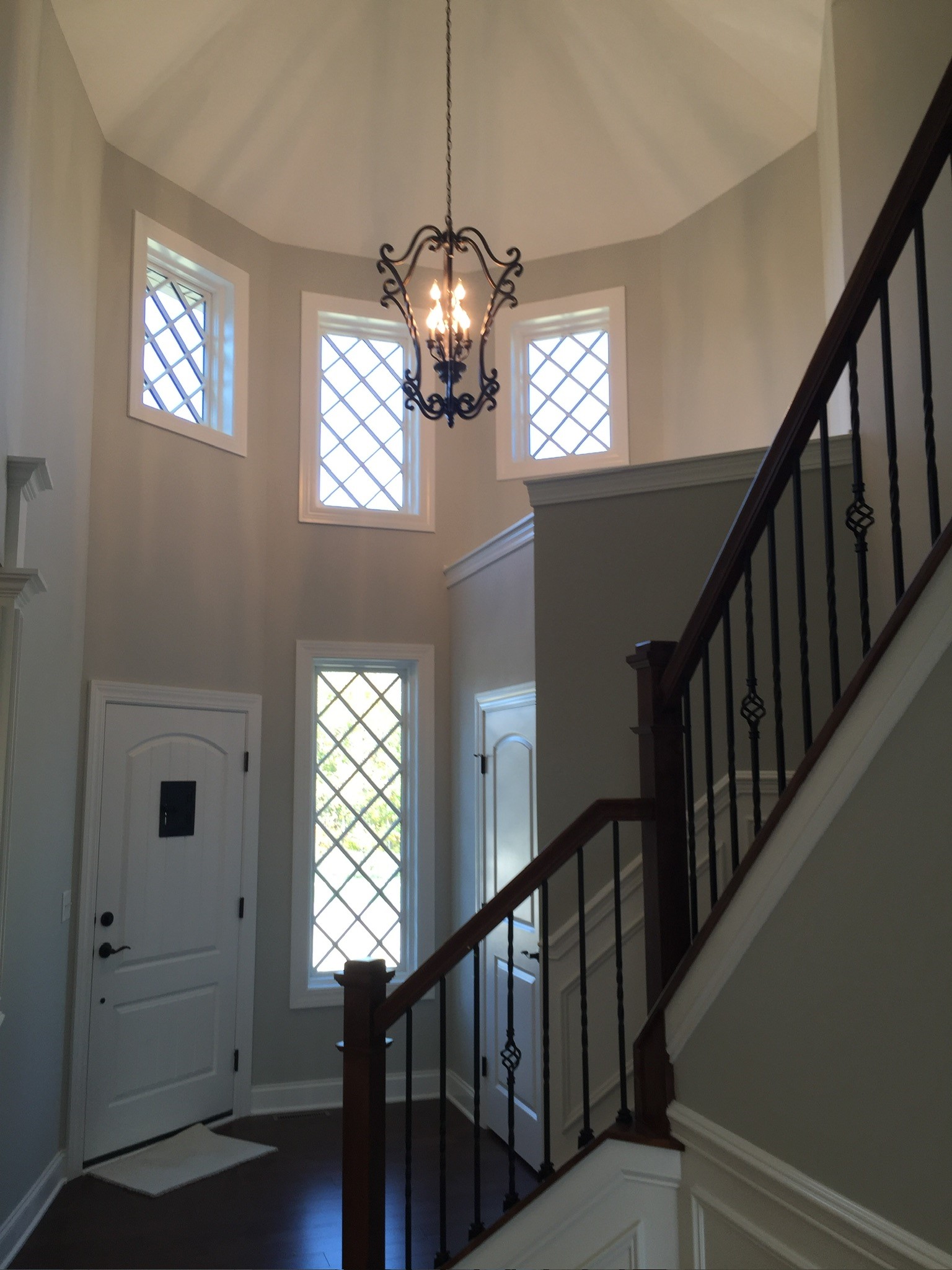
Key Elements of Planning a Custom Home Build
Every successful custom home build shares a common foundation — a planning process that resolved the critical decisions before a single dollar was committed to construction. The homeowners who navigate the build process with confidence are almost always the ones who invested in clarity before they invested in construction.
Budget Definition and Financial Structuring
Before any design work begins, a realistic and complete budget must be established — one that accounts for land acquisition, site preparation, design fees, construction costs, contingency reserves, and the carrying costs of financing across the full build timeline. A budget that is not grounded in real cost data for the Cleveland market is not a plan — it is a wish.
Site Selection and Due Diligence
The land you build on shapes everything — from the design possibilities available to you to the structural and mechanical costs required to build on it. Soil conditions, topography, utility access, flood zone status, zoning classification, and deed restrictions all require investigation before a site is committed to. Buying land without due diligence is one of the most common and costly mistakes in custom home planning.
Builder Selection and Design-Build Alignment
Selecting the right builder before design is finalized — rather than after — is one of the most consequential decisions in the planning process. A builder engaged early can provide real cost feedback during design, identify constructability issues before they become change orders, and align the design to the budget in ways that a purely architectural process cannot.
Homeowners learning how to plan a custom home build consistently identify these as critical early priorities:
- Establishing a clear, itemized budget with contingency before committing to design or land
- Selecting and purchasing a site with full due diligence — including soil testing and zoning verification
- Choosing a builder with demonstrated experience in the specific type and scale of home being planned
- Completing a thorough design and pre-construction phase before executing a construction contract
- Understanding the full project timeline — including permitting, material lead times, and inspection sequencing — before groundbreaking
Custom home planning done well is not slow — it is efficient.
Every hour invested in resolving decisions before construction begins saves multiples of that time — and cost — during the build itself.
Why Eco-Friendly Custom Homes Feel Different
A well-planned custom home build feels different because the process is controlled — not reactive. Decisions are made ahead of their consequences, not in response to them.
The budget holds. The timeline moves forward. The builder and homeowner are aligned at every phase.
The difference becomes clear in:
- A design that was refined and resolved before construction began — not evolved expensively during the build
- A budget that was built on real cost data and held with disciplined change order management
- A timeline that was planned with accurate sequencing — permitting, lead times, and inspection milestones all accounted for
- A site that was selected with full knowledge of its conditions, constraints, and opportunities
- A build experience that feels professional, accountable, and consistently forward-moving from groundbreaking to move-in
Planning is not the exciting part of building a custom home — but it is the part that determines whether the exciting part goes well.
When a homeowner and builder invest in a disciplined planning process together, the result is a build that delivers what was promised — on time, on budget, and without compromise.
How We Deliver Better Custom Builds
Modern Design + Build Collaboration
We start with a clear plan and a shared vision. Our team works closely with you to refine layout, elevations, and key selections so the final build looks modern, feels intentional, and functions for real life.
Benefits include:
- A cohesive, modern look inside and out
- Smarter layouts that fit your lifestyle
- Fewer surprises during construction
- Clear decisions, documented early
- A smoother build from start to finish
High Standards Materials + Finish Quality
Luxury is in the details. We prioritize quality materials and clean execution so your build holds up, looks refined, and still feels sharp years from now.
Benefits include:
- Better long term durability
- Cleaner lines and tighter finishes
- Reduced maintenance over time
- More consistent quality across trades
- A final result that feels premium
Structured Project Management + Communication
You should never wonder what is happening next. We keep the process organized with a clear timeline, regular updates, and direct communication so you stay informed without being overwhelmed.
Benefits include:
- Predictable milestones and scheduling
- Faster answers and fewer delays
- Less stress throughout the build
- Clear expectations for every phase
- A professional experience from day one
Trusted Trade Partners + Quality Control
A great build is only as strong as the team behind it. We work with trusted trade partners and hold every phase to a consistent standard through on site oversight and quality checks.
Benefits include:
- Consistent workmanship across trades
- Fewer punch list items at the end
- Better coordination on site
- Stronger accountability and follow through
- Higher confidence in the final result
Warranty Included With Every Custom Build
We stand behind our work. Every custom build includes warranty coverage so you can move in with confidence knowing we are here after the project is complete.
Benefits include:
- Peace of mind after move in
- Clear warranty expectations
- A builder who stands behind the work
- Faster resolution if issues arise
- Long term confidence in your investment
Code-Minimum vs. Luxury-Level Craft
| Feature | Code-Minimum Build | Typical “Upgrade” Build | Cleveland Custom Builders Standard |
| Design + Planning | Basic plans, limited detailing | Some selections support | A defined process that aligns plans, selections, and budget before construction begins |
| Materials + Craftsmanship | Builder grade materials | Mixed quality upgrades | Modern detailing, higher grade finishes, and consistent quality control throughout the build |
| Project Management + Communication | Limited updates, reactive | Updates vary by project | Clear timelines, proactive communication, and documented progress from start to finish |
| Inspections + Quality Assurance | Minimum required inspections | Some added checks | Structured walkthroughs and punch process to confirm details are completed to standard |
| Warranty + Follow-Through | Basic coverage, limited responsiveness | Coverage varies | Warranty included with every custom build, with a team that stands behind the work |
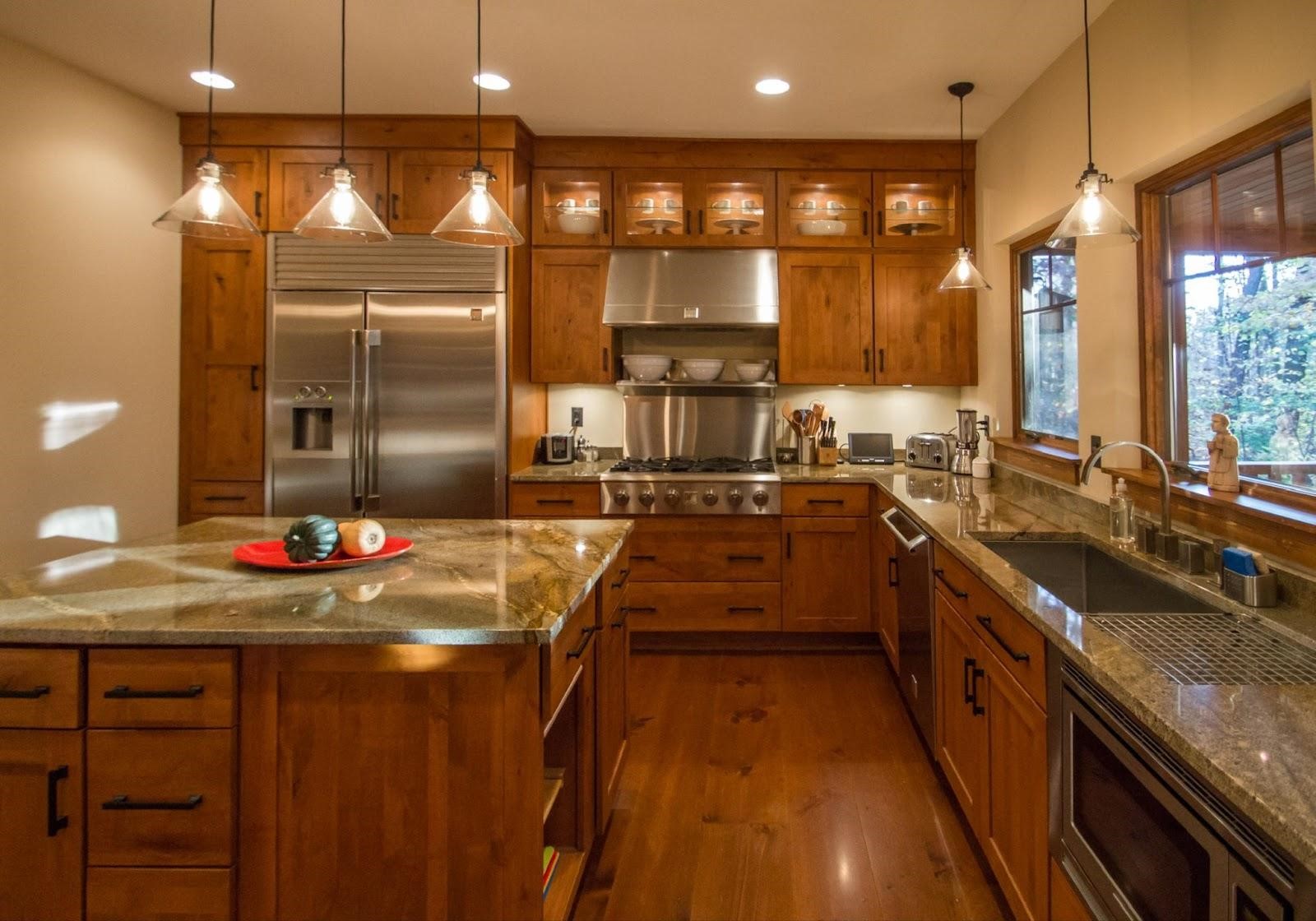
The Cleveland Custom Home Planning Difference
Our approach to custom home planning in Cleveland is built on structure, transparency, and the experience required to guide homeowners through one of the most complex processes they will ever undertake — with clarity at every step.
We build fewer homes — with greater focus.
Benefits include:
- Planning process tailored to your specific site, budget, and design goals in the Cleveland market
- Design and budget kept in active alignment throughout the pre-construction phase
- Managed with consistent communication from first consultation through construction contract execution
- Backed by 30+ years of local experience that informs every planning decision with real market knowledge
Custom home planning in Cleveland requires a builder who understands local zoning, regional construction costs, Northeast Ohio’s climate demands, and the specific conditions of the neighborhoods where luxury homes are built. We bring that local expertise to every planning conversation — so our homeowners make informed decisions, not hopeful ones.
The Design + Build Planning Difference
Our approach to custom home planning is rooted in integration — not sequential handoffs between architect, builder, and homeowner that leave gaps and create conflicts.
We engage with every dimension of the planning process simultaneously — design, budget, site, permitting, and trade coordination — so that when construction begins, the plan is genuinely complete.
Every custom home planning process we lead is:
Structured around a clear, phased timeline that moves from vision and feasibility through design development, pre-construction, and groundbreaking without ambiguity
Grounded in real Cleveland construction cost data — so the budget reflects what the home will actually cost to build, not an optimistic estimate that erodes under the pressure of construction realities
Coordinated across every discipline — architecture, engineering, permitting, trade partner engagement, and material procurement — so nothing is left unresolved when the build begins
Built on transparent communication at every stage — so homeowners always know where they are in the process, what decisions are coming, and what their options are before committing to them
A great custom home plan is one that a great builder can execute without surprises.
We plan with that standard in mind — and build with it too.
Service Areas
Cleveland Custom Builders supports custom builds across Greater Cleveland and surrounding Northeast Ohio communities.
- Greater Cleveland
- Cuyahoga County
- Northeast Ohio and nearby communities
Not sure if your location fits? Call us at (216) 410-2122 and we will point you in the right direction
FAQs
Cleveland Custom Builders
The most important first steps are establishing a realistic budget grounded in current local construction costs, identifying and performing due diligence on a potential site, and selecting a builder early enough to involve them in the design process. Starting with design before budget and site are resolved is one of the most common and costly planning mistakes.
For a well-executed custom home, the planning and pre-construction phase typically takes six to twelve months depending on design complexity, permitting timelines, and the speed of key decisions. Rushing this phase to get to construction sooner almost always produces delays, change orders, and cost overruns during the build.
A realistic custom home budget starts with a per-square-foot cost estimate from an experienced local builder — adjusted for your specific design goals, site conditions, and material preferences. Add a contingency reserve of ten to fifteen percent, and account for land, design fees, permits, and financing costs in addition to the construction contract value.
Ideally, a builder should be involved in evaluating potential sites before purchase — or at minimum before committing to a specific design. Site conditions, utility access, topography, and zoning requirements all affect what can be built and at what cost. Buying land without builder input is a common source of planning problems that are expensive to resolve later.
The most common mistake is starting the design process before budget, site, and builder are aligned. When design outpaces financial reality, the result is either a compromised home or a budget that was never achievable. The most successful custom builds begin with a clear budget, a thoroughly vetted site, and a builder engaged early enough to shape the design toward a result that can actually be delivered.
Start Your Luxury Residential Build
If you’re interested in speaking to a Cleveland custom builder’s representative, fill out the form below.
"*" indicates required fields